News
Cyclospora Outbreak: A Growing Public Health Concern

The United States is currently grappling with an unprecedented public health challenge: a major outbreak of cyclosporiasis. This intestinal illness, triggered by a parasite residing in human feces, has infiltrated the food supply, leading to widespread concern and a surge in reported cases. The current situation, with over 6,000 individuals affected in Michigan alone, represents the largest recorded outbreak of this disease in the nation's history, prompting urgent calls for vigilance and modified food consumption habits.
Details of the Cyclospora Outbreak
During the summer of 2026, the United States experienced a significant increase in cyclosporiasis cases, an intestinal illness caused by the Cyclospora parasite. This microscopic organism, transmitted through contaminated human feces, can easily find its way into the fresh produce supply chain. The current outbreak has been particularly severe, with Michigan alone reporting over 6,000 infections, making it the largest recorded event of its kind in U.S. history. Expert reporters, Alice Callahan and Caroline Hopkins Legaspi, who have been diligently covering the outbreak since its inception, provide crucial insights. They emphasize that while the situation is serious, adhering to specific food preparation guidelines can significantly mitigate risks. Cooked foods, especially those heated to at least 158 degrees Fahrenheit, are safe as heat effectively eradicates the parasite. For fresh produce, hardier fruits and vegetables like melons and cucumbers, which can be thoroughly scrubbed and peeled, pose a lower risk. Historically, outbreaks have frequently been linked to specific produce items such as lettuce, pre-packaged salad mixes, raspberries, basil, cilantro, and snap or snow peas—items often hand-harvested and consumed raw. Interestingly, smaller, local sources like farmers' markets may offer a safer alternative compared to larger suppliers, which have been implicated in past large-scale contamination events.
This widespread Cyclospora outbreak serves as a stark reminder of the interconnectedness of our food systems and public health. It underscores the critical importance of food safety practices, both at the consumer level and throughout the agricultural supply chain. As individuals, prioritizing thorough washing and proper cooking of produce, especially high-risk items, is paramount. Furthermore, this event should prompt a broader conversation about source tracing, hygiene standards in agricultural practices, and the need for robust public health surveillance to prevent future outbreaks of such magnitude. It highlights the power of informed reporting in guiding public behavior and ultimately safeguarding community well-being.
Award-winning journalist and former NBC News anchor and Today show co-host.
Other Articles
 Jul 21, 2026
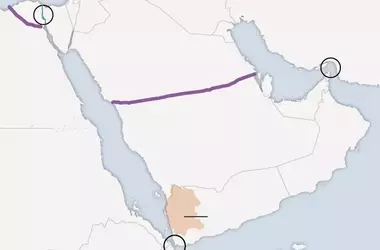
Houthi Threats Endanger Red Sea Oil Transit, Intensifying Global Energy Market Instability
Houthi militants' threats to disrupt Saudi oil transit through the Red Sea's Bab al-Mandab strait could jeopardize a critical alternative route for Middle Eastern crude, exacerbating an already volatile global energy market. This move could force oil producers to seek new, potentially costlier, shipping routes, further complicating global oil supplies amidst existing geopolitical tensions.
By Michele Norris Jul 20, 2026
Your Questions, Answered: Political Donations, Deportation Assets, and Housing Legislation
This report addresses common reader inquiries about current events. It explains what happens to political campaign donations when a candidate withdraws and clarifies the fate of assets belonging to individuals deported from the U.S. Additionally, it introduces the new ROAD to Housing Act and discusses its potential impact on renters and prospective homeowners. The article also briefly touches on a recent military fatality in Iraq and a World Cup final summary.
By Ann Curry Jul 16, 2026
Morning Briefing: Global Issues and Domestic Politics in Focus
This morning's briefing highlights critical global and domestic issues, including the persistent threat of wildfire smoke, political debates surrounding a 2020 election question, a significant shift in Democratic stance on aid to Israel, and evolving career preferences among Generation Z. Also, an examination of Driscoll's dominance in the berry market is presented.
By Michele Norris