Fashion
Apparel Recovery Coalition Launched to Tackle Textile Waste in Ghana

The persistent challenge of textile waste in Ghana, particularly the accumulation of discarded clothing on its beaches, has prompted a significant collaborative effort. The Or Foundation, a US-Ghanaian non-profit organization, has spearheaded the formation of the Apparel Recovery Coalition (ARC). This groundbreaking initiative, launched in partnership with major fashion brands Adidas, H&M Group, Inditex, and Bestseller, seeks to implement a globally accountable Extended Producer Responsibility (EPR) system. The core idea is for polluting fashion brands to financially contribute to the management of the post-consumer textiles they export, thereby preventing environmental degradation and fostering a more sustainable circular economy.
Global Brands Unite to Combat Textile Waste in Ghana
In a crucial development for environmental sustainability in the fashion industry, the Apparel Recovery Coalition (ARC) has been established to confront the escalating textile waste crisis. Led by The Or Foundation, a non-profit dedicated to addressing fashion's ecological footprint, the coalition includes influential brands such as Adidas, H&M Group, Inditex, and Bestseller. The primary focus of ARC's pilot program will be Ghana, a nation heavily impacted by the influx of discarded garments from Western countries. The initiative aims to channel voluntary financial contributions from these European fashion giants into Ghana to mitigate the environmental damage caused by textile exports. Liz Ricketts, co-founder of The Or Foundation, has been a vocal proponent of a "globally accountable EPR" system for five years, advocating for a mechanism that ensures polluters bear the cost of waste management across borders, mirroring the global flow of used textiles. ARC's strategy involves supporting and expanding the vibrant circular fashion ecosystem already thriving in Accra's Kantamanto Market, one of the world's largest hubs for textile resale and upcycling. With an estimated 25 million garments recirculated monthly in Kantamanto, the coalition seeks to enhance these existing efforts, providing necessary resources to prevent textile waste from reaching beaches and other dumpsites. This pilot project in Ghana is envisioned as a blueprint that can be replicated in other countries over the next two years, with the ultimate goal of integrating this cross-border accountability into future EU EPR policies, as emphasized by Hilde van Duijn, CEO of Circle Economy and ARC spokesperson.
This pioneering collaboration underscores the urgent need for global responsibility in managing textile waste. The current paradigm, where waste burdens disproportionately fall on developing nations, is unsustainable. ARC's model of voluntary financial contributions from major brands offers a tangible step towards a more equitable and environmentally sound solution. It highlights the potential for collective action and innovative policies to transform the fashion industry's impact, fostering local economies while safeguarding the planet. This initiative serves as a powerful reminder that true circularity demands a commitment to accountability that extends far beyond national borders.
Oscar-winning costume designer for films like "Black Panther," authoring works on the intersection of fashion, culture, and history.
Other Articles
 Sep 29, 2026
The Science Behind Dark Showers: Fact or TikTok Trend?
TikTok's latest wellness trend, 'dark showering,' claims to lower cortisol levels by showering in dim light with cool water. While popular online, medical experts suggest the benefits might be overstated, with warm showers potentially being more effective for stress reduction. This article explores the scientific basis, or lack thereof, for dark showering and its connection to past cold exposure trends, offering a balanced perspective on this trending self-care practice.
By André Leon Talley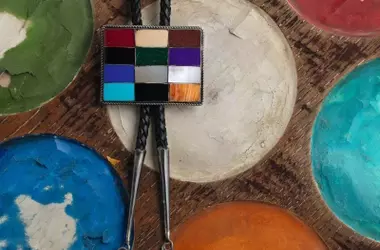 Sep 29, 2026
The Enduring Style and Cultural Significance of Bolo Ties
This year, western-inspired fashion has seen a significant resurgence, with bolo ties emerging as a key accessory. William Matthews' new book, "Bolo: Design, Style, Heritage," delves into the rich history and cultural impact of this distinctive neckwear, tracing its origins in the American Southwest and its evolution through Native American craftsmanship. The book showcases over 500 unique designs and highlights how celebrities like Bob Dylan and Timoth←e Chalamet have embraced bolo ties as a powerful form of self-expression.
By Tan France Sep 29, 2026
Dolly Parton's Life Museum: A Journey Through a Legend's Legacy
Rebecca Seaver, Dolly Parton's niece and director of the Dolly Parton Archive, shares insights into the new 'Dolly's Life of Many Colors Museum.' Discover how the museum offers an immersive experience, from the miraculous rediscovery of Parton's 1966 wedding dress to intimate recordings and artifacts that bring the iconic singer's life story to vivid reality.
By Anna Wintour