Fashion
Beyond the Myth: The Intricate World of Sperm and Male Fertility

For many years, the conventional understanding of sperm has been limited, often portraying them as simple, fast-moving cells racing towards an egg. This oversimplified view has historically led to male reproductive health being a less intensely studied field compared to female fertility. However, groundbreaking research, spearheaded by figures like Japanese reproductive biologist Masahito Ikawa, is fundamentally altering this perspective. Ikawa's early discovery in 2003 of seemingly normal but infertile sperm ignited a career-long pursuit to decode the intricate genetics and biology that govern sperm function, challenging the long-held assumption that a healthy appearance equates to full functionality. This scientific endeavor is revealing that sperm are complex entities, influencing early embryonic development and serving as critical indicators of a man's broader health, an aspect often overlooked in standard fertility assessments.
The traditional narrative surrounding sperm has been perpetuated by a lack of comprehensive research and the emergence of assisted reproductive technologies like intracytoplasmic sperm injection (ICSI), which, while effective, bypassed the need for deeper understanding of underlying sperm issues. Despite this, a confluence of factors, including global birth rate declines, reports of diminishing sperm counts, and technological advancements like CRISPR gene-editing, has spurred renewed interest in male fertility. Scientists globally are now delving into every facet of sperm biology, from their movement and energy consumption to the potential of cultivating them from stem cells. This urgent research is not only vital for the millions facing infertility worldwide but also crucial for recognizing male reproductive health as a key predictor of general well-being, with studies linking semen quality to hospitalization rates and lifespan, highlighting its importance beyond just conception.
As research progresses, the simplistic notion of sperm as individual competitors is being replaced by a more nuanced understanding. Scientists now describe sperm movement as a strategic search rather than a mere race, with diverse populations employing various strategies to navigate the female reproductive tract. Furthermore, new findings indicate that sperm contribute far more than just paternal DNA, actively influencing early embryonic development and even correlating with recurrent miscarriages. Conventional fertility tests, which primarily assess sperm count, shape, and motility, are increasingly recognized as inadequate, often failing to detect complex genetic or functional issues. This necessitates the development of advanced diagnostic tools and therapies, such as epigenomic screening, lab-grown sperm, and mRNA treatments, all of which are showing promising results in both animal models and human applications. These innovations are not just theoretical; they are providing real-world solutions for couples struggling with infertility, proving that a deeper, more scientific understanding of sperm is essential for improving reproductive outcomes and male health overall.
The ongoing scientific exploration into the complexities of sperm is unveiling a profound truth: these microscopic cells are far more sophisticated than previously imagined, embodying not just the potential for new life, but also reflecting the overall vitality and health of an individual. This shift in understanding empowers us to embrace a more holistic view of reproductive health, promoting a future where advanced knowledge leads to enhanced well-being and countless new beginnings.
Fashion consultant and TV personality known for "Project Runway" and his ethos of "make it work."
Other Articles
 Aug 31, 2026
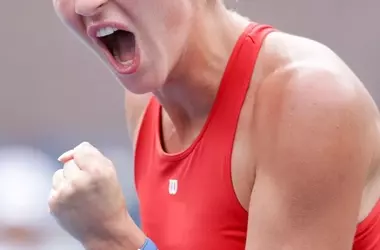
US Open 2026: The Premier Timepieces on Display
The 2026 US Open not only showcased top-tier tennis but also a remarkable collection of high-end watches worn by players and celebrities alike. From Roger Federer's distinctive Rolex Oyster Perpetual to Marta Kostyuk's elegant Patek Philippe Aquanaut and Orlando Bloom's sophisticated Porsche Design Chronograph 1, the tournament served as a prestigious platform for horological excellence. This article highlights the most notable timepieces spotted, emphasizing their unique designs and the stories behind them, offering a glimpse into the fusion of sports and luxury watch culture.
By Tan France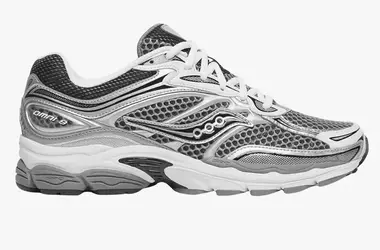 Aug 31, 2026
Saucony's Ascent: From Heritage Running to Sneaker Culture Icon
Saucony, a brand rooted in running since 1898, has unexpectedly risen to prominence in the sneaker world of 2026. Once a niche player compared to giants like Nike and Adidas, its recent surge is largely attributed to strategic collaborations with figures like Jae Tips and brands like 3sixteen, transforming its classic silhouettes into highly sought-after lifestyle footwear. This revival highlights the untapped potential in its archives and a growing consumer desire for unique alternatives beyond mainstream brands.
By Gloria Vanderbilt Aug 31, 2026
Ana and Nick's Intimate Desert Wedding in Baja California Sur
Ana and Nicholas Starkel's love story began as high school rivals and culminated in a romantic desert wedding at Paradero Todos Santos in Baja California Sur, Mexico. The bride, Ana, a wedding photographer, carefully planned every detail, from her Spanish-designed gown to the intimate ceremony officiated by Nick's father. Surrounded by 200 close friends and family, the couple exchanged heartfelt vows, celebrating their unique journey in a truly memorable setting.
By Tim Gunn