Fashion
China's Sportswear Boom: Specialization, Domestic Brands, and Evolving Consumer Demands

China's athletic apparel sector is undergoing a profound transformation, moving beyond general sportswear to embrace high-specialization driven by a health-conscious populace. With market value expected to exceed $73 billion by 2028, this growth is fueled by diverse activities like trail running, birding, and paddleboarding. Consumers are increasingly discerning, demanding performance-oriented, activity-specific gear rather than all-purpose items. This shift is reshaping market dynamics, with domestic brands adeptly capturing niche segments. While established Western brands like Nike and Lululemon encounter headwinds, local powerhouses such as Anta are thriving by building multi-brand portfolios and focusing on higher profit margins, signaling a new era of competition and innovation within the industry.
The evolving landscape also highlights a blurring of lines between athletic wear and everyday fashion, particularly among younger generations who seek versatility and style in their garments. Brands like Beneunder exemplify this by integrating sun protection with comfort and aesthetics for daily use. Moreover, international players are adopting sophisticated strategies, including deep cultural localization and co-creation with Chinese designers, to resonate with local consumers. This strategic pivot, coupled with the global expansion of Chinese brands like Anta and Li-Ning through acquisitions and partnerships, underscores China's emergence as a significant force in both sportswear consumption and global innovation, challenging traditional manufacturing roles and fostering new design paradigms.
The Evolution of China's Sportswear Market: From General to Specialized
The Chinese sportswear sector is experiencing an unprecedented boom, with projections indicating its value will surpass $73 billion by 2028. This surge is intrinsically linked to a nationwide increase in health awareness and participation in a diverse array of physical and outdoor pursuits. Consumers are no longer satisfied with generic athletic wear; instead, there's a pronounced demand for highly specialized, technical apparel tailored to specific activities such as trail running, lightweight hiking, or paddleboarding. This paradigm shift signifies a departure from volume-driven consumption towards a market valuing expertise and function. Consequently, local brands, unburdened by legacy structures, are rapidly filling these specialized niches, often outperforming established global giants. This transition reflects a broader cultural shift where status is increasingly signaled through lifestyle and hobbies rather than overt luxury logos, integrating high-performance athletic gear into everyday fashion for a sophisticated, health-conscious demographic.
The transformation of China's sportswear industry is characterized by a significant pivot from mass-market offerings to precision-engineered products designed for niche sports. This evolution is propelled by a burgeoning population that embraces a wider spectrum of physical activities, from intensive competitive sports like trail running to restorative pursuits such as birdwatching. As a result, consumer expectations have escalated; buyers are now highly informed about material science, functional design, and technical specifications, demanding gear that provides optimal performance for their chosen activity. This discerning consumer base has created fertile ground for agile domestic brands. These local players are keenly attuned to specific cultural and activity trends, offering purpose-built solutions that larger, more generalized international brands struggle to match quickly. The aesthetic integration of sportswear into daily attire further underscores this trend, where technical outdoor brands are becoming fashion statements, symbolizing a lifestyle of fitness and well-being. This profound shift requires brands to deeply understand and cater to fragmented market segments, moving beyond one-size-fits-all approaches to deliver highly differentiated and authentic athletic wear experiences.
Global Competition and Local Innovation: Redefining the Athletic Apparel Landscape
The dynamic growth of China's sportswear market has intensified global competition, compelling international brands to reassess their strategies. While some Western powerhouses face revenue declines, local brands are surging ahead by leveraging their agility and deep understanding of domestic consumer preferences. This competitive pressure is driving global players towards increased localization, including collaborations with Chinese designers and incorporating elements of local culture, such as traditional Chinese medicine themes, into their products and marketing. This strategic shift moves beyond simple manufacturing to genuine co-creation and R&D within China, transforming the nation into a hub for sportswear innovation rather than merely production. Concurrently, major Chinese athletic brands are expanding their global footprint through strategic acquisitions and partnerships, investing in established international sportswear businesses and signing high-profile endorsements, thereby building credibility and elevating their own brand status on the world stage.
The evolving competitive landscape in China's sportswear sector is marked by a dual movement: global brands adapting intensely to local nuances, and Chinese brands asserting their global presence. International giants, traditionally dominant, are now facing robust competition from indigenous players who are more adept at identifying and capitalizing on burgeoning local trends. This has prompted a strategic overhaul for brands like Nike and Adidas, pushing them towards hyper-localized product development, culturally resonant marketing campaigns, and fostering direct design partnerships within China. Such efforts aim to forge a deeper connection with Chinese consumers and overcome past cultural missteps. Simultaneously, Chinese sportswear behemoths like Anta and Li-Ning are actively pursuing global expansion. Anta, for instance, has strategically acquired stakes in renowned international sports companies, creating a powerful multi-brand ecosystem that enhances its technological capabilities and market credibility. These actions signify a monumental shift where China is no longer just a manufacturing base but an integral part of the global sportswear innovation cycle, shaping trends and influencing market directions worldwide. This era heralds a contest not just between East and West, but between specialized, agile innovators and broader, more generalized incumbents.
Oscar-winning costume designer for films like "Black Panther," authoring works on the intersection of fashion, culture, and history.
Other Articles
 Nov 23, 2026
The Ascendance of Chinese Beauty: From Local Dominance to Global Ambition
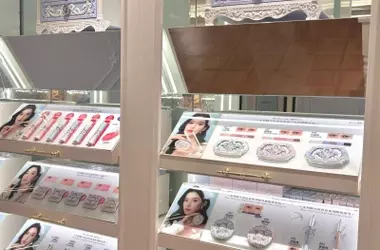
Chinese beauty brands are rapidly transforming the global cosmetics landscape, moving beyond local markets to international prominence. This article examines the strategic acquisition of Flower Knows by Proya Cosmetics, valued at approximately $52.6 million, marking a new phase for C-beauty. Historically rooted in fairytale aesthetics and cosplay culture, brands like Flower Knows and Florasis are now leveraging cultural confidence, innovation, and digital-first strategies to challenge established Western and Korean giants. With significant market share and robust growth, these domestic powerhouses are now focusing on sustainable expansion and building enduring brands on the global stage, signifying China's evolution into a beauty innovation hub.
By Gloria Vanderbilt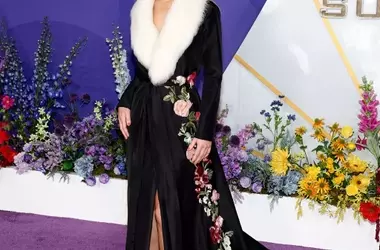 Nov 22, 2026
This Week's Red Carpet Dominance: Celebrities Embrace Extravagant Glamour
This week, A-list celebrities on red carpets eschewed subtle styles, instead opting for elaborate and opulent ensembles that captivated audiences. From Jennifer Lawrence's dramatic Dior robe to Taylor Swift's vibrant Oscar de la Renta gown, stars showcased luxurious designs featuring rich textures, bold colors, and intricate details. These dazzling displays, including vintage Vivienne Westwood on Ariana Grande and cutting-edge Prada on Hunter Schafer, signal a festive shift towards more expressive and celebratory fashion choices as the holiday season approaches.
By André Leon Talley Nov 22, 2026
Harry Styles' Rome Outing Highlights His Affinity for Oversized Chanel Bags
Following his successful residency, music sensation Harry Styles enjoyed a well-deserved break in Rome, Italy. During his visit, the celebrated artist was photographed engaging in a casual lunch with architect Matidia Pallini, showcasing his distinctive personal style. His attire, featuring a sophisticated khaki trench coat paired with classic straight-leg jeans and loafers, was complemented by a striking black leather Chanel maxi flap bag. This accessory, designed by Mathieu Blazy, has garnered significant attention in the fashion world, becoming a favorite among celebrities for its generous capacity and stylish aesthetic, signaling Styles' clear preference for functional yet luxurious carry-alls.
By Anna Wintour