Fashion
The Journey of Renzo Rosso: From Farm to Fashion Mogul

This narrative chronicles the remarkable journey of Renzo Rosso, the visionary behind the iconic Diesel brand, as he transitioned from a humble farming background to establishing a global fashion empire. His story is one of relentless innovation, an unconventional approach to business, and a profound belief in the power of diverse talent. From his early days of crafting furniture to pioneering distressed denim, Rosso's career highlights his ability to challenge norms and build a brand that resonated across cultures, ultimately shaping a significant segment of the fashion industry.
Rosso's early experiences were far removed from the glitz of fashion. Growing up on a farm in Brugine, Italy, he spent his summers from age 10 to 16 working as a carpenter, specializing in kitchen furniture. This hands-on experience, although repetitive, instilled in him a foundational understanding of craftsmanship and production processes. His initial foray into fashion was almost accidental, driven by a practical need for education and a burgeoning interest in jeans, which he felt gave him a sense of individuality and status among his peers. This early fascination with denim proved to be a pivotal moment, sparking a lifelong passion.
His formal education included textile studies at the Marconi Technical Institute in Padua, where he gained technical skills in pattern-making and stitching. It was here that he created his first pair of low-rise, flared jeans and, crucially, innovated the concept of stone-washing to soften the fabric. This ingenuity showcased his intuitive understanding of product development. After a brief and unenthusiastic stint studying economics at the University of Venice, Rosso plunged into the fashion industry in 1976. He secured a production manager role at Moltex, a clothing manufacturer owned by Adriano Goldschmied, by boldly, and somewhat fabricatingly, claiming relevant experience and completed military service.
At Moltex, Rosso's rebellious spirit and drive were evident. Despite a penchant for partying, his inherent cleverness and winning attitude, recognized by Goldschmied's wife, saved him from dismissal. Instead, his pay structure was shifted to performance-based, which significantly boosted his earnings and ignited an even greater work ethic. This period, from 1976 to 1978, was instrumental in shaping his business acumen. By 1978, his ambition led him to co-found Diesel with Goldschmied, a move that marked the true beginning of his entrepreneurial journey in fashion. Through their collaboration, Rosso gained invaluable exposure to the global fashion market, traveling extensively and learning the intricacies of international trade.
Eventually, Rosso's desire for full creative and business control led him to acquire 100% of Diesel in 1985, buying out Goldschmied's shares in the Genius Group. This independence allowed him to fully implement his unique vision for Diesel. He encountered initial resistance, particularly in Italy, where his unconventional designs, like jeans made from denim scraps, were misunderstood. However, Rosso's unwavering conviction and global perspective meant Diesel found its earliest successes abroad, with key wholesale customers in cities like Los Angeles and New York. He deliberately sought talent from diverse backgrounds globally, hiring individuals who shared his philosophical outlook, fostering a multicultural environment that ensured Diesel's products resonated universally from day one.
Renzo Rosso's narrative exemplifies the power of a distinct vision and a non-conformist approach in business. His life, a subject of a documentary and a biography, underscores the importance of human connections and the collective efforts of a diverse team in achieving lasting success. His journey from a carpenter's bench to the helm of a globally recognized fashion brand is a testament to embracing individuality and daring to do things differently.
Fashion designer and TV host ("Queer Eye"), known for his classic style advice.
Other Articles
 Nov 13, 2026
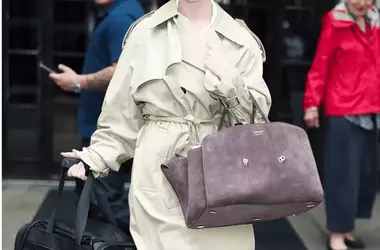
The Rise of Everyday Slippers: From House Shoes to Fashion Statements
Slippers have transformed from mere house shoes into versatile fashion accessories suitable for daily wear. Brands like Ugg, Brunch, Hunter, Simkhai, and Alo are reimagining slippers with diverse styles, from Western-inspired designs to cozy crochet and shearling options. This shift emphasizes comfort without compromising style, offering chic alternatives for various outfits and occasions.
By Vivienne Westwood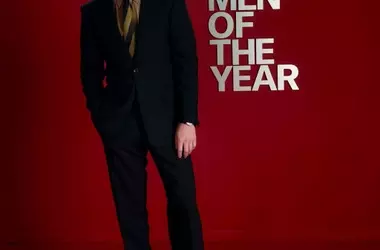 Nov 13, 2026
GQ Men of the Year 2026 Red Carpet: A Glimpse into the Star-Studded Night
The GQ Men of the Year 2026 celebration unfolded on the red carpet at the iconic Chateau Marmont in West Hollywood. Hosted by Global Editorial Director Adam Baidawi and the cover stars—Chris Rock, Andrew Garfield, and Matt Damon—the event showcased an array of contemporary red-carpet fashion. Comedian Benito Skinner was on hand to capture the best dressed attendees, with fantastic suiting being a prevalent theme. This exclusive gallery provides a comprehensive look at the evening's most notable ensembles.
By Miuccia Prada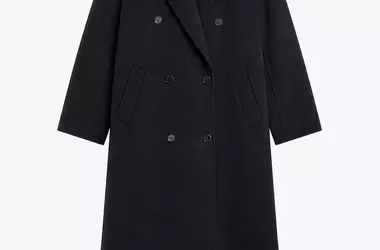 Nov 13, 2026
The Enduring Appeal of '90s Minimalist Coats for Winter 2026
The allure of '90s fashion, particularly minimalist coats, continues to captivate the fashion world, with Carolyn Bessette-Kennedy's style serving as a timeless muse. This season, designers are reinterpreting classic single-breasted silhouettes with fresh details, while the core principles of clean lines, subtle lapels, and a long, lean form remain paramount. These versatile garments, available in various materials and price points, offer a sophisticated solution for any winter wardrobe, emphasizing quality over quantity.
By Ruth E. Carter