Fashion
Lafayette 148's Three Decades of Evolution in Luxury Fashion

Lafayette 148, a fashion house with three decades of experience, has solidified its position as a distinguished heritage label within New York's competitive landscape. The company's enduring success is attributed to a thoughtful blend of consistent brand identity and strategic adaptation, as articulated by co-founder and CEO Deirdre Quinn. This approach has allowed the brand to navigate industry shifts while maintaining its core appeal.
A critical juncture for Lafayette 148 occurred during the global pandemic, when market demands shifted dramatically and supply chain disruptions posed existential threats. In response, Quinn and Creative Director Emily Smith, who began her tenure as an intern in 2002, made a decisive move to elevate the brand's luxury positioning. This involved a renewed commitment to their vertically integrated business model, which helped protect profit margins and bypass the typical order minimums faced by many brands. Investments were made in superior quality materials, and sales channels were re-prioritized, with a greater emphasis on direct-to-consumer retail through their stores and e-commerce platform. This strategic pivot resulted in higher full-price sell-through, even as product prices increased in line with the enhanced quality.
Today, Lafayette 148 views its primary competition as European luxury brands rather than domestic counterparts. The brand actively participates in New York Fashion Week, scheduling generous two-hour slots for presentations to foster engagement with guests and clients. This year marked their debut in Paris with a dedicated showroom and their expansion into Harrods in the previous year. Projections indicate a 12% sales increase for 2026 over 2025, reaching $150 million, a growth trajectory directly linked to their luxury market repositioning. The company is now planning significant expansion within the U.S., with a new store in Dallas and upcoming West Coast locations in 2027. International markets, including the Middle East and Japan, are also on their radar. This ambitious expansion is supported by a newly established C-suite, comprising a chief marketing officer, chief merchant, and chief commercial officer, working alongside Quinn.
Quinn and Smith emphasize that remaining an independent label in New York requires deliberate reinvention. Quinn highlights the advantage of private ownership, which allows them to evolve without external pressure, focusing on attracting customers who genuinely connect with their brand. She stresses the importance of quality, a cornerstone upheld by their vertical integration. Smith, who grew up within the company's factory environment, attests to the potential for continuous innovation in materials and design, ensuring the brand's DNA progresses without alienating its loyal customer base.
Offering advice to emerging brands, Quinn candidly describes the fashion industry as challenging and advises learning from others' experiences. Her current focus remains on strategic financing for privately owned businesses and expanding globally, particularly given their extensive range of 58 sizes, which presents unique engineering complexities. Quinn remains committed to maintaining independence, valuing the freedom to prioritize quality and long-term vision over short-term financial pressures. She believes that safeguarding product integrity is paramount and, while open to future collaborations, her current focus is on reinforcing the brand and investing in marketing to distinguish Lafayette 148 in the luxury market.
Smith also reflected on the brand's origins, noting its initial focus on providing professional attire for career women. She observes how lifestyles have evolved and how the brand's designs have subconsciously adapted. For Lafayette 148, the customer is defined by sensibility rather than demographics. They cater to accomplished women who seek versatility and timeless pieces that make them feel confident and taken seriously, regardless of age or career stage. The brand consciously avoids chasing fleeting trends, prioritizing proportion, relevance, and tailoring. Instead of trend-driven design, their focus is on organic growth, increasing brand visibility, and expanding their reach while upholding their brand's integrity. Both leaders are optimistic about the future, having successfully navigated past challenges and now anticipating sustained growth through their unwavering commitment to quality and strategic evolution.
Iconic supermodel who has authored books on modeling and style, and advocates for diversity in fashion.
Other Articles
 Nov 10, 2026
New Creative Directors Ignite Luxury Resale Market Boom
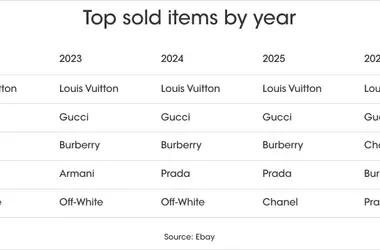
New creative directors are significantly impacting the luxury resale market, leading to increased demand and rising prices for vintage items. The appointment of new designers at major fashion houses is sparking renewed interest in their brand's archives, driving searches and sales on platforms like eBay. This trend highlights a consumer shift towards culturally relevant, long-lasting pieces and a desire for value in the secondary market.
By Miuccia Prada Nov 09, 2026
Embrace the Richness: Mocha Brown Hair Dominates Winter Trends
As cooler weather arrives, so does the desire for deeper, more luxurious tones, and this winter, mocha brown hair is the undisputed star. This sophisticated shade, a blend of rich espresso and creamy milk chocolate hues, is a favorite among celebrities and promises to add a touch of warmth and elegance to your look. Discover what makes this color so popular, how to achieve it, who it suits best, and essential maintenance tips.
By André Leon Talley Nov 09, 2026
Early Black Friday Sales: Top Picks From ELLE Editors
As Black Friday approaches, many exciting deals are already available. ELLE editors are sharing their top picks across fashion, beauty, and home, making it easier to navigate the sales. From stylish boots and cozy sweaters to skincare essentials and holiday gifts, there's something for everyone. This curated list ensures you get the best discounts on high-quality products.
By Tim Gunn