ParentsKids
Navigating Sibling Nudity: A Guide for Parents

Determining the appropriate age for siblings to cease seeing each other unclothed is a nuanced decision, largely dependent on individual family comfort levels and the children's evolving comfort. There is no universal age guideline, making it a matter of personal family choice. This discussion will delve into a child psychologist's perspective on a common parental concern regarding this very topic, exploring its connection to the developmental stage of puberty and offering practical advice for navigating these sensitive conversations.
Addressing the evolving physical changes associated with puberty and fostering a positive body image are crucial aspects of this discussion. It is essential for parents to engage in open dialogue with their children about their bodies, emphasizing respect for personal space and boundaries. This approach helps children understand their own feelings and set appropriate limits, fostering self-respect and healthy relationships. Moreover, teaching children about consent and autonomy over their bodies empowers them to articulate their comfort levels and ensures that mutual respect is a cornerstone of sibling interactions.
As children mature, their perceptions of nudity often shift. What might seem innocuous during early childhood can become a source of discomfort as they approach and enter puberty. Parents, who are often more aware of the broader societal implications of nudity and sexuality, must navigate these changes carefully to avoid inadvertently sexualizing their children's bodies. The psychologist's advice underscores the importance of allowing children to lead in their personal preferences for privacy. While some children may require gentle guidance on appropriate public behavior, most naturally develop an awareness of their bodies and a desire for increased privacy as they grow.
The journey through puberty is unique for every child. Biological differences mean that girls typically begin puberty earlier than boys, which can influence the dynamic between siblings. It is often the older or more rapidly developing sibling who will first express discomfort or a desire for more privacy. Parents should be mindful of these developmental differences and tailor conversations to each child's emotional and physical stage. Understanding that body changes can evoke a range of complex emotions—including a desire to maintain childlike innocence—is key to approaching these discussions with empathy and sensitivity.
Engaging children in discussions beyond just the physical aspects of puberty is vital. These conversations should encompass emotional changes, self-care, and the understanding that bodies can be perceived and treated in both healthy and unhealthy ways. It is also important to use accurate anatomical terms, avoiding euphemisms, to ensure clarity and foster a healthy relationship with their bodies. Emphasizing body autonomy is paramount, teaching children that they have control over their own bodies and that their comfort levels should always be respected by others.
Ultimately, laying a strong foundation of consent and mutual respect within the family is essential. Children should feel empowered to express discomfort, whether it involves physical contact or a desire for privacy. Establishing clear family rules that prioritize individual comfort and respect for boundaries not only helps siblings navigate their interactions but also equips them with crucial skills for healthy relationships outside the family unit. By fostering an environment where consent is understood and respected, parents can guide their children through these developmental stages with confidence and care, promoting positive body image and robust interpersonal skills.
Author and consultant advocating for simplified, less stressful childhoods.
Other Articles
 Oct 22, 2026
Essential Health Questions for Women Over 40
This article highlights crucial questions women over 40 should ask during their annual physicals, according to medical experts. It emphasizes the importance of preventive care and early detection for various health conditions, including cardiovascular disease, cancer, and osteoporosis. The piece also covers topics like blood work, vaccinations, menopause symptoms, exercise, and understanding age-related bodily changes to ensure a proactive approach to long-term health and well-being.
By Tiffany Jewell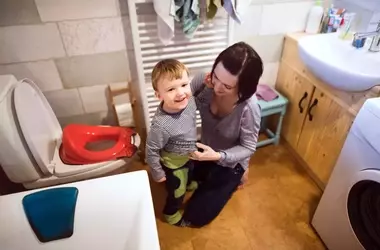 Oct 22, 2026
Overcoming Functional Constipation in Toddlers: A Parent's Guide
This article explores functional constipation in children, a common issue where kids intentionally withhold their stool due to various reasons like fear, a desire for control, or disruptions in routine. It discusses how such behavior can lead to discomfort and potential complications, highlighting the importance of early intervention. The piece also delves into different treatment approaches, including the use of mild laxatives like Miralax and mineral oil, alongside behavioral strategies and dietary adjustments to support regular bowel habits in children.
By Cathy Glass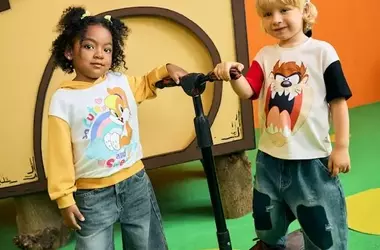 Oct 22, 2026
Looney Tunes x SHEIN Collaboration: Fall Fashion for Kids
The new Looney Tunes x SHEIN collection offers a range of vibrant and playful apparel for babies, children, and tweens, featuring beloved characters like Bugs Bunny and Tweety Bird. This collaboration blends nostalgic designs with affordable pricing, making it easy to refresh young wardrobes with graphic tees, coordinated sets, and comfortable layers for various fall activities. The collection is regularly updated, ensuring a continuous supply of fresh styles.
By Michele Borba