Sales News
QR Codes in Jewelry Retail: A Double-Edged Sword?

QR codes have emerged as a contentious topic within the jewelry retail sector, with business owners divided on their actual utility. A recent industry poll indicated an almost even split: roughly half of jewelers have integrated these digital tools into their operations, while the other half remain hesitant or unconvinced of their benefits. This divergence highlights a broader debate about the practicality and impact of modern technological adoption in traditional retail environments.
Those jewelers who have embraced QR codes are applying them in a multitude of ways. For instance, Sherrie Schilling-Devaney from Sherrie’s Jewelry Box in Tigard, OR, strategically places QR codes on her counter and business cards to facilitate instant customer reviews. This approach not only streamlines the feedback process but also enables customers to browse products from home. Similarly, a Chicago-based retailer uses QR codes extensively on store windows, personalized business cards, and print advertisements to direct traffic and enhance customer interaction. Another notable application comes from Dorothy Vodicka of The Gem Collection in Tallahassee, FL, who uses QR codes on “Help Wanted” signs to link directly to employment applications on her website, simplifying the hiring process.
Karen Hollis of K. Hollis Jewelers in Batavia has found success using QR codes for event management, allowing customers to easily sign up for in-store activities. However, she acknowledges that not all customers, particularly older demographics, are comfortable with this technology, necessitating alternative communication methods like posters and physical invitation cards. This underscores a key challenge: bridging the digital divide among diverse customer bases.
Despite these successful implementations, a significant portion of jewelers harbor reservations. A Canadian retailer reported minimal engagement with QR codes placed on service counters and business cards, suggesting that consumers might be experiencing “QR-bombardment” and are desensitized to their presence. An owner in Stillwater, MN, shared similar frustrations, noting that customers often overlook their well-placed QR codes for Google, Facebook, and Instagram, and staff frequently forget to highlight them. These accounts reveal that simply implementing the technology isn't enough; effective promotion and user-friendliness are crucial.
Among the 51% who do not currently use QR codes, reasons vary from past failures to a general lack of interest or awareness. One Massachusetts jeweler, for example, experimented with QR codes years ago when they were a nascent technology but found them unsuccessful. They express an openness to revisiting the idea now that the technology is more mainstream. Conversely, a veteran jeweler from upstate New York, with over four decades in the business, admitted to being completely unfamiliar with QR codes, recognizing the need to explore new concepts. A Texas-based Brain Squad member was candid about their disinterest, stating they weren't sure how to use them and lacked the motivation to learn. These diverse perspectives illustrate the steep learning curve and perceived effort required for some retailers to adopt new digital tools.
Ultimately, QR codes remain a specialized tool in the jewelry retail landscape. While they offer increasing potential for various applications, many customers continue to disregard them, and a substantial number of retailers have yet to explore their possibilities. The effectiveness of QR codes in this industry appears to hinge on strategic implementation, targeted use cases, and a proactive approach to educating both staff and customers.
Other Articles
 Dec 27, 2025
Precious Metals Market: Gold, Silver, and Platinum Reach Unprecedented Highs, Positive Outlook for 2026
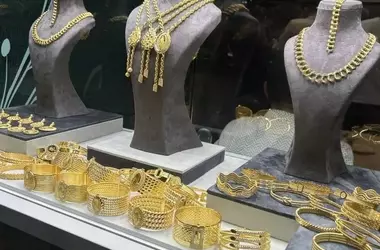
On December 26, 2025, gold, silver, and platinum prices soared to record highs, with market analysts projecting continued growth into 2026. Gold hit $4,533.14 per ounce, silver surpassed $75, and platinum reached $2,448.25. Geopolitical uncertainties, anticipated U.S. interest rate cuts, and rising industrial demand are driving these increases. The festive season saw tight liquidity, but the overall price trend remains positive. Jewelers are urged to adapt by offering lighter items, new alloys, and lower purities.
 Dec 26, 2025
India to Lead Kimberley Process in 2026
The Gem & Jewellery Export Promotion Council (GJEPC) announced India's selection as Chair of the Kimberley Process Certification Scheme (KPCS) for 2026. This significant role, effective January 1, 2026, marks India's third time leading the UN-mandated initiative aimed at preventing conflict diamonds from entering global supply chains. The GJEPC emphasizes India's commitment to transparent and responsible diamond trade.
 Dec 26, 2025
Innovative Wall Designs: Jewelers Transform Spaces
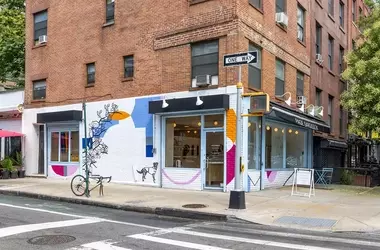
This article explores how 16 jewelry retailers are creatively utilizing their blank walls to enhance store aesthetics and customer experience. From murals and water features to moss installations and personalized displays, these innovative designs reflect brand identity, create welcoming atmospheres, and engage customers in unique ways, demonstrating that even a simple wall can become a powerful marketing and design tool.