Fashion
The Rise of Brain Wellness: From Luxury Clinics to Wearable Tech

Wellness trends have evolved from meticulously tracking glucose and gut health to an intensive focus on optimizing brain function. In a world increasingly dominated by online interactions and artificial intelligence, concerns about mental acuity are pushing brain health to the forefront of the wellness industry. This shift is evident in the emergence of high-end cognitive longevity programs and specialized clinics, exemplified by the Mandarin Oriental Mayfair's 'Brain Gym' residency and Clinique La Prairie's comprehensive seven-day cognitive program. These offerings, often catering to an affluent clientele, utilize advanced diagnostics like SPECT scans and brain mapping to provide personalized recommendations for enhancing mental performance and addressing issues like anxiety and cognitive decline. Consumers, particularly younger generations, are eager for solutions, with McKinsey's 2025 Future of Wellness report indicating that 61% prioritize cognitive function, highlighting a significant unmet demand in the market.
The allure of brain wellness is further amplified by advancements in neuroscience, particularly the understanding of neuroplasticity—the brain's ability to adapt and reorganize itself. This scientific insight provides a compelling narrative for wellness brands to extend their profitable models of physical optimization to cognitive enhancement. Beyond exclusive retreats, the market is expanding to more accessible options. Companies like London-based Naya Health are integrating repetitive transcranial magnetic stimulation (rTMS) into wellness routines, positioning it as a 'brain workout' for both chronic conditions and cognitive improvement. Similarly, Myndspan offers magnetoencephalography (MEG) assessments to provide insights into brain function and cognitive age, aiming to make brain scans a regular health check. This democratized approach to neurotechnology suggests a future where brain monitoring and stimulation become as common as tracking heart rate or sleep patterns through everyday wearables, with companies like Muse and Neurable integrating EEG sensors into headbands and headphones to provide real-time brain activity data and focus monitoring.
Despite the rapid commercial growth and ambitious claims within the brain wellness sector, experts advise caution. While acknowledging the genuine concerns about cognitive aging and the potential of neurotechnology, researchers like Isaac Treves from Columbia University express skepticism regarding the scientific validity of some consumer-grade devices, citing limited evidence and the potential for placebo effects. He emphasizes that fundamental habits like adequate sleep, regular exercise, strong social connections, and a sense of purpose remain the most reliable pathways to cognitive well-being. For luxury wellness providers, maintaining scientific credibility is crucial to sustaining their appeal. The pursuit of cognitive optimization also raises a philosophical question: in our already demanding lives, does this new frontier of wellness risk adding another layer of pressure to constantly measure and improve ourselves, potentially backfiring on our mental health?
Legendary editor-in-chief of Vogue and global fashion authority.
Other Articles
 Nov 03, 2026
Roxie Nafousi's Business Lessons from Her Fragrance Line Failure
Roxie Nafousi, a prominent self-development coach and author, shares candid insights from the closure of her fragrance line, Alia. Despite her significant success in personal development, translating her audience into a consumer brand proved challenging. She discusses the hurdles of production delays, financial commitments, and the crucial lessons learned about market research, contingency planning, customer acquisition beyond awareness, and the strategic role of retail partnerships. Ultimately, Nafousi views the experience not as a failure, but as a valuable lesson in resilience and growth.
By Naomi Campbell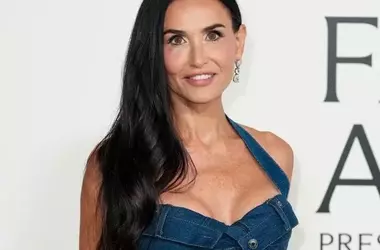 Nov 03, 2026
Demi Moore Redefines Denim Elegance at the 2026 CFDA Fashion Awards
At the 2026 CFDA Fashion Awards, acclaimed actress Demi Moore captivated attendees with a groundbreaking custom GapStudio denim gown designed by Zac Posen. This innovative creation, featuring stacked denim waistbands and a contemporary silhouette, showcased a fresh perspective on denim fashion. Moore not only impressed on the red carpet but also presented the prestigious Innovation Award to Gap Inc., highlighting the brand's pioneering spirit in the fashion industry.
By Vivienne Westwood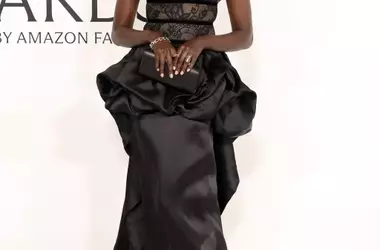 Nov 03, 2026
Glamour on the Red Carpet: The 2026 CFDA Awards Arrivals
The 2026 CFDA Awards drew a constellation of stars to the American Museum of Natural History in New York, celebrating the best of American fashion. Hosted by Keke Palmer, the evening honored industry luminaries including Peter Marino, Tony Burch, Inez van Lamsweerde & Vinoodh Matadin, and Anthony Vaccarello. This gallery showcases all the dazzling looks from the event's cream-colored carpet, capturing the essence of style and creativity.
By Anna Wintour