Sales News
Understanding Consumer Motivations in Fine Jewelry Self-Purchases

New research from Jewelers Mutual Group sheds light on the evolving landscape of fine jewelry self-purchasing, offering a comprehensive look at consumer motivations, buying preferences, and protection strategies. The study underscores the sustained significance of individuals acquiring jewelry for themselves, driven by a blend of celebratory occasions and impulsive desires.
Detailed Insights into Fine Jewelry Consumer Behavior
In a detailed analysis released on February 13, 2026, Jewelers Mutual Group presented its latest findings on the fine jewelry market. The study, which explored how consumers acquire and safeguard their personal jewelry collections, found that self-gifting remains a deeply entrenched and meaningful practice. Key drivers include significant life events such as birthdays and holidays, alongside more spontaneous purchases made simply for personal enjoyment.
While the underlying reasons for these purchases have largely remained constant, the research highlighted notable shifts in consumer buying patterns. Specifically, rings have emerged as the most frequently self-purchased jewelry item, now outpacing both necklaces and earrings in popularity. The study also revealed distinct differences in purchasing motivations between genders: men typically acquire jewelry to commemorate achievements and milestones, whereas women tend to engage in more spur-of-the-moment purchases.
Regarding shopping preferences, in-person retail continues to be the dominant channel, often complemented by prior online research. Brand-specific jewelry stores consistently rank as the top choice for consumers, reflecting a prevalent omnichannel shopping journey. A compelling statistic from the study indicates that nearly 60 percent of self-purchasers view themselves as collectors, signifying a profound long-term emotional and financial connection to their acquired pieces.
Furthermore, the research observed positive developments in jewelry care practices. A decreasing number of respondents reported using potentially harmful cleaning methods, with many increasingly seeking guidance from professional jewelers for proper maintenance. Common storage solutions include jewelry boxes and home safes. Notably, insured individuals reported a higher frequency of professional inspections and appraisals for their valuable items. Although over 70 percent of self-purchasers possess some form of jewelry insurance, many still rely on standard homeowners or renters policies. Jewelers Mutual suggests this presents a significant opportunity to educate consumers about specialized jewelry insurance options that offer more comprehensive protection.
Mike Alexander, President of Jewelers Mutual, commented on the findings, stating, “The act of self-purchasing jewelry is profoundly personal, serving as a means to celebrate one's identity, accomplishments, and everyday victories.” The company initiated this study to gain a deeper understanding of evolving consumer behaviors and to empower jewelry owners with the information needed to make informed decisions regarding the acquisition, upkeep, and security of their cherished pieces.
This comprehensive study by Jewelers Mutual Group offers invaluable insights for both consumers and industry professionals. For consumers, it validates the personal significance of self-gifting and provides guidance on responsible ownership, from careful storage to specialized insurance. For the jewelry industry, it highlights evolving market trends and consumer preferences, underscoring the importance of tailored marketing strategies and enhanced customer education on product care and protection. The findings suggest a growing conscientiousness among buyers, moving beyond mere acquisition to a more thoughtful approach to owning and preserving fine jewelry.
Other Articles
 Feb 13, 2026
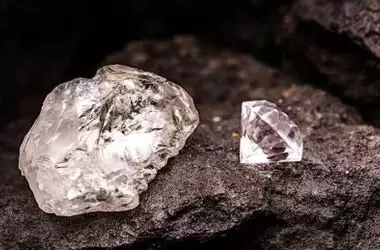
N.W.T. Diamond Mine Faces Delays and Financial Pressures
Mountain Province Diamonds encounters operational and financial challenges at the Gahcho Kué mine, including pausing the Tuzo Phase 3 project and managing significant joint-venture payment deadlines with De Beers. Despite these hurdles, 2026 carat production is expected to remain steady, focusing on high-grade areas, while leadership changes aim to mitigate costs.
 Feb 13, 2026
Indian Gem & Jewellery Exports Maintain Stability, US Trade Deal Boosts Outlook
India's gem and jewellery exports demonstrated resilience, maintaining stability at US$23.19 billion from April 2025 to January 2026, despite a significant decline in US shipments. The new India-US trade agreement, reducing tariffs to 18%, is set to invigorate exports by up to US$3 billion, restoring competitiveness. Diversification into markets like the UAE, Hong Kong, Australia, and France, coupled with domestic reforms, positions the sector for substantial future growth.
 Feb 13, 2026
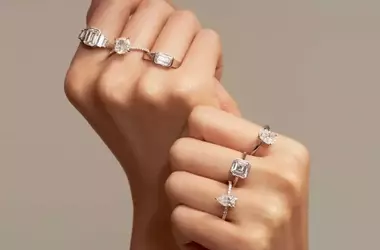
Natural Diamond Council Unveils 2025 Diamond Trends Report
The Natural Diamond Council (NDC) has released its 2025 Diamond Trends Report, providing valuable insights into U.S. consumer preferences and the evolving natural diamond jewelry market. The report, published on February 13, 2026, in collaboration with Tenoris, analyzes data from over four million jewelry transactions across 2,500 specialty jewelers in the United States, highlighting sustained demand and key purchasing trends.