Fashion
Volker Hermes: Unveiling Hidden Narratives in Historical Portraits Through Digital Art

Reimagining History: Hermes's Digital Renaissance
The Convergence of Craft and Technology in Artistic Expression
Volker Hermes, an artist whose work is currently featured at 44DeVore, centers his artistic philosophy on the dynamic relationship between traditional craftsmanship and contemporary technological innovation. His method involves digitally transforming historical portraits, a practice that often ignites debate among art enthusiasts. Hermes firmly defends his digital approach, asserting that it serves as a homage to historical art rather than a compromise of its integrity. He views the act of repainting historical works as an anachronism, believing that genuine innovation lies in recontextualizing the past for a modern audience, thereby infusing historical art with new vitality.
Artistic Intent and Social Commentary Through Portraiture
Hermes's art encourages a deeper engagement with portraits, pushing observers past the immediate visual impact of faces to consider the broader context and underlying messages. He meticulously selects historical portraits that resonate with current social issues, using them as a foundation to highlight the restrictive environments faced by women and marginalized individuals in past elites. His artistic interventions, while sometimes provocative, aim to challenge preconceived notions and encourage an intellectual and visual dialogue about historical realities. He points out how visually appealing elements often mask profound societal inequalities.
Symbolism and Critique: The Case of Pearl Necklaces
Hermes frequently uses amplified pearl necklaces in his work as a symbolic gesture. While pearls are traditionally associated with wealth and beauty, Hermes extends them to encircle the necks of female subjects, deliberately drawing attention to the limited rights and societal constraints women experienced historically. This subtle yet powerful manipulation serves as a reminder to contemporary audiences of past injustices, fostering an appreciation for present-day advancements in women's rights. Through such interventions, he aims to provoke a deeper reflection on social progress.
Navigating the Digital Age: Visual Literacy and AI
In an era characterized by an overwhelming influx of digital information, Hermes's art champions visual literacy. He invokes Jean Baudrillard's concept of a “pornography of information” to underscore the critical need for discerning engagement with visual content. Hermes believes that while the advent of artificial intelligence is inevitable, individuals can cultivate a keen eye to differentiate between authenticity and artificiality. His work encourages a critical assessment of imagery, reinforcing the importance of questioning what one perceives.
The Playful Element: Ribbons and the Illusion of Depth
Ribbons are a favored motif in Hermes's practice, acting as a dynamic element that introduces a sense of movement and three-dimensionality to two-dimensional portraits. By extending ribbons beyond the frame of the canvas, he invites viewers to perceive the subjects as embodied individuals within expansive worlds, rather than static images. This technique generates a rhythmic flow and a vibrant energy, encouraging a more immersive and interactive viewing experience. Crucially, Hermes emphasizes that all his modifications are derived from existing elements within the original artwork, ensuring that no foreign components are introduced.
A Curated Experience: Exhibition at 44DeVore
At 44DeVore, gallerist Loie DeVore has meticulously crafted an environment that complements Hermes's art. By displaying his creations alongside Old Master paintings, antique laces, jacquards, and accessories—in collaboration with textile expert Cora Ginsburg—DeVore creates a salon-like atmosphere. This arrangement not only enriches the viewing experience but also highlights the harmonious blend of historical and contemporary art forms, reinforcing Hermes's belief in art's capacity to bring joy, beauty, and imaginative discovery to life.
“Hidden Nattier VII”: A Floral Transformation with a Gaze
In this piece, Hermes reimagines a female portrait by transforming the subject into a vibrant bouquet of flowers emerging from her neckline. These blossoms, however, are impaled on sharp stakes fashioned from a basket, symbolizing the subtle aggression inherent in reducing women to mere beauty. This intervention subtly critiques the outdated notion of beauty as the sole identifier for women. A single eye peering through the bouquet signifies the woman's agency, transforming her from an object to be observed into an active participant who returns the viewer's gaze, asserting her presence and power.
“Hidden David”: Recontextualizing Status Through Adornment
Inspired by Jacques-Louis David's “Portrait de Juliette Récamier,” Hermes shifts focus from the individual to the social status she embodies. By extending her white dress into a voluminous hood and converting furniture elements like daybed legs and candelabra into elaborate jewelry, he creates a visual narrative of opulence and societal position. These newly formed necklaces draw inspiration from Cleopatra's iconic imagery, linking the portrait to broader themes of beauty, female influence, and the historical representation of women. This piece prompts a reflection on how status and memory are constructed and preserved through art.
“Hidden Hals X”: An Inventory of Texture and Status
Volker Hermes's reinterpretation of Frans Hals's “Portrait of a Man,” a small yet expressive “tronie,” focuses on the intricate textures and fabrics within the original work. Hermes meticulously isolates elements like the lace collar, shimmering garment, and delicate cuffs, transforming them into ribbons that cascade over the figure's oversized hat. This artistic choice deliberately diverts attention from the sitter's individual identity to the elaborate attire, underscoring how clothing and its rich details signified status and pride in historical contexts. The piece becomes an inventory of surfaces, highlighting the material culture of the era.
“Hidden Reynolds II”: Unveiling Societal Constraints
In “Hidden Reynolds II,” Hermes delves into the pervasive concept of beauty in female portraiture throughout art history, contrasting it with the often unburdened male gaze. He observes a subtle restraint in the original portrait, suggesting the subject is holding her breath, pressured by the expectations of her elite society. Hermes extends the ribbons of her extravagant hat, transforming them into a theatrical curtain. This curtain both frames and subtly constrains her, symbolizing the societal stage upon which women were expected to perform ideal beauty. While concealing her face, these ribbons also create a protective space, offering an escape from being solely defined by beauty standards.
Punk fashion icon and designer known for her activism and rebellious style writings.
Other Articles
 Sep 25, 2026
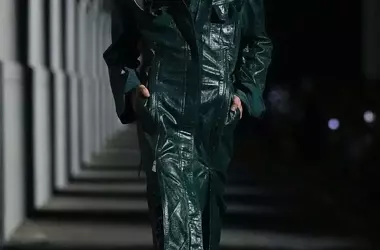
The Attico's Vision for Spring 2027 Ready-to-Wear
Explore The Attico's latest Spring 2027 Ready-to-Wear collection, featuring innovative designs and a fresh perspective on contemporary fashion. This gallery showcases a range of looks, highlighting the brand's unique blend of sophistication and modern aesthetics, offering a glimpse into future trends.
By André Leon Talley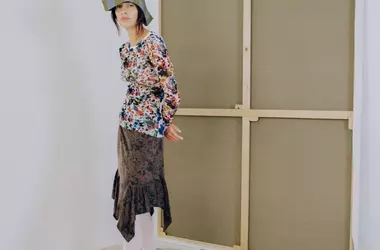 Sep 25, 2026
Arthur Arbesser's Fall 2026 Collection: A Tapestry of Renewal and Resourcefulness
Arthur Arbesser's Fall 2026 collection, presented in a "see-now, buy-now" format, draws inspiration from kintsugi, the Japanese art of repairing broken pottery with gold. This collection embodies a philosophy of renewal and resourcefulness, utilizing archived fabrics and embracing innovative dyeing techniques to create unique, layered designs. The brand's commitment to sustainability and creative transformation shines through in each piece.
By Anna Wintour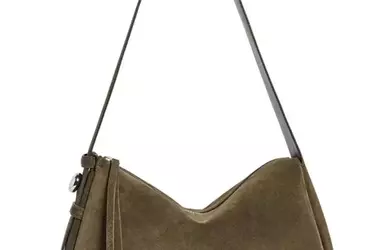 Sep 25, 2026
Olive Green Suede: The Ultimate Fall Fashion Trend
Olive green suede is making waves as the must-have fall color and fabrication. Seen extensively during Fashion Month on both Spring/Summer 2027 runways and stylish attendees, this versatile shade, encompassing muted greens like moss, forest, and juniper, offers a sophisticated alternative to traditional neutrals. ELLE editors have curated a selection of essential olive green suede pieces, from elegant bags and comfortable sneakers to classic flats, timeless loafers, stylish boots, and chic jackets, ensuring everyone can effortlessly incorporate this trend into their autumn wardrobe.
By Tim Gunn