News
US and Saudi Arabia Ink Civilian Nuclear Pact

A pivotal agreement has been reached between the United States and Saudi Arabia concerning civilian nuclear energy. This accord will facilitate Saudi Arabia's construction of nuclear reactors, leveraging American technological expertise. The path to this deal was previously complicated by conditions linking it to the normalization of Saudi-Israeli relations, a stipulation that was eventually set aside to finalize the current terms.
For a number of years, discussions surrounding this nuclear collaboration remained gridlocked. A primary sticking point was the U.S.'s insistence that Saudi Arabia first establish diplomatic ties with Israel as a prerequisite for technology transfer. This demand reflected broader geopolitical strategies and a desire to foster stability in the Middle East.
However, recent diplomatic efforts led to a recalibration of priorities. Recognizing the strategic importance of this energy partnership, negotiators decided to de-link the nuclear deal from the Israeli normalization requirement. This concession paved the way for the breakthrough announced on July 23, 2026, signaling a new chapter in U.S.-Saudi relations and regional energy development.
The newly ratified agreement focuses exclusively on peaceful applications of nuclear technology, underscoring both nations' commitment to energy diversification and sustainability. It is anticipated that this collaboration will not only bolster Saudi Arabia's energy security but also create new avenues for scientific and technological exchange between the two countries.
This landmark pact represents a significant diplomatic achievement, highlighting a pragmatic approach to international relations. By overcoming past obstacles, the United States and Saudi Arabia have laid the groundwork for enhanced cooperation in critical sectors, demonstrating a mutual understanding of evolving geopolitical landscapes and shared strategic objectives in the realm of civilian nuclear power.
Award-winning journalist and former NBC News anchor and Today show co-host.
Other Articles
 Jul 22, 2026
Cyclospora Outbreak: A Growing Public Health Concern
A widespread outbreak of cyclosporiasis, an intestinal illness caused by a parasite found in human feces, is currently impacting the United States. With over 6,000 cases reported in Michigan alone, this marks the largest recorded outbreak in U.S. history. Public health officials and reporters are offering guidance on how to safely consume produce and minimize the risk of infection, especially given the parasite's prevalence in fresh, hand-harvested items like leafy greens, berries, and herbs.
By Ann Curry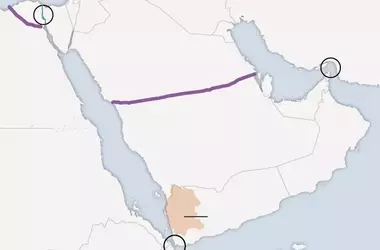 Jul 21, 2026
Houthi Threats Endanger Red Sea Oil Transit, Intensifying Global Energy Market Instability
Houthi militants' threats to disrupt Saudi oil transit through the Red Sea's Bab al-Mandab strait could jeopardize a critical alternative route for Middle Eastern crude, exacerbating an already volatile global energy market. This move could force oil producers to seek new, potentially costlier, shipping routes, further complicating global oil supplies amidst existing geopolitical tensions.
By Michele Norris Jul 20, 2026
Your Questions, Answered: Political Donations, Deportation Assets, and Housing Legislation
This report addresses common reader inquiries about current events. It explains what happens to political campaign donations when a candidate withdraws and clarifies the fate of assets belonging to individuals deported from the U.S. Additionally, it introduces the new ROAD to Housing Act and discusses its potential impact on renters and prospective homeowners. The article also briefly touches on a recent military fatality in Iraq and a World Cup final summary.
By Ann Curry